
Top 3 February Pet Dental Care Tips for North Bay Pets
Top 3 February Pet Dental Care Tips for North Bay Pets
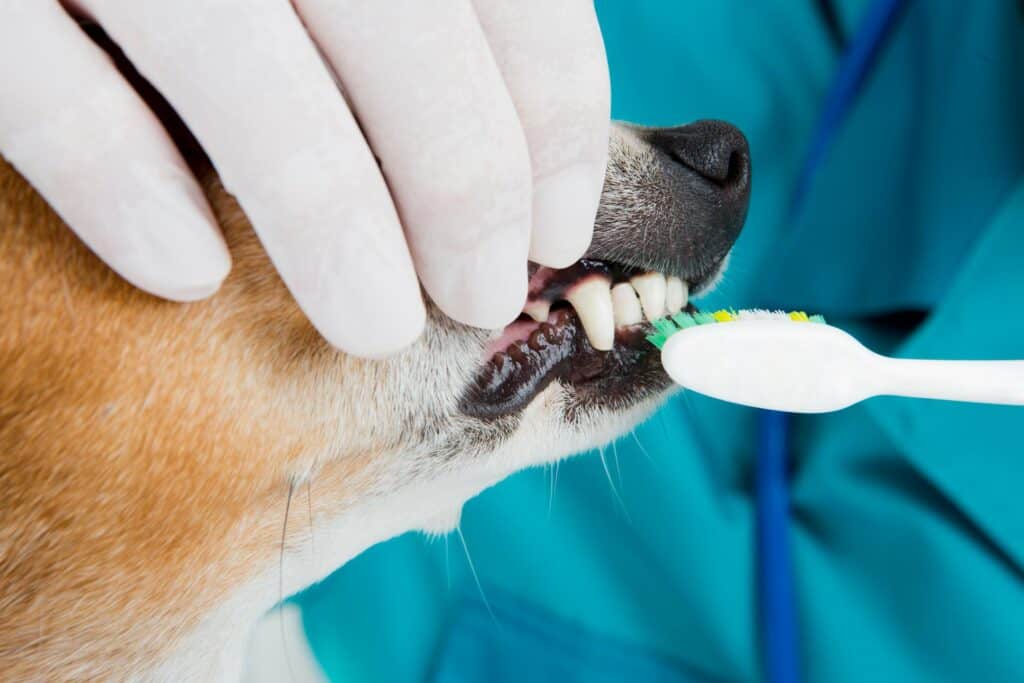
February is dental month for pets, which means it’s time to pay special attention to your pet’s oral hygiene. For pets, a healthy mouth means a healthier body—yet most dogs and cats over the age of 3 live with dental disease.
Here’s what Parkside Animal Hospital wants families to know about pet dental care this February.
3 February Pet Wellness Tips for Oral Health
1. Schedule Professional Dental Exams and Cleanings Every Year
Even if you brush your pet’s teeth every day at home, it’s crucial to get your pet a thorough dental and oral exam and cleaning. During a dental exam, veterinarians can do a comprehensive oral exam to identify early signs of illness.
Often, these signs aren’t visible from the outside. They can include:
- Oral exams to evaluate your pet’s gum condition and tooth structure
- Dental X-rays to spot issues below your pet’s gumline
- Polishing and scaling to get rid of plaque and tartar buildup
- Customized recommendations for at-home dental care
Professional cat and dog teeth cleaning and evaluation allow your vet to remove hardened tartar, clean below the gumline, and accurately assess the health of each tooth.
This is essential to the health of your furry friend and is one of the top ways to prevent advanced periodontal disease in pets.
2. Take Care of Your Pet’s Teeth at Home
It may seem impossible to brush your pet’s teeth at home every day—or even a few times a week—but it’s one of the most surefire ways to prevent oral disease.
Start small, with a delicious beefy, bacon-y, or chicken-y toothpaste and a gentle brush. Let your pet explore the brush and the toothpaste, along with the feeling of your finger in your pet’s mouth.
Build up to brushing your pet’s teeth at least 3-4 times a week to support your dog and cat’s oral health. Supplement this brushing with dental chews, water additives, and a dental-friendly diet—your veterinarian can recommend the ideal one for your pet.
Above all, stay consistent. Even brushing consistently once a week is better than brushing every day for a week and then falling out of the habit completely.
3. Pay Attention to Any Behavioral or Physical Changes
Pets may be skilled at hiding signs of discomfort, but if pet parents know the signs of oral pain, they can get their fur-babies treated ASAP. If your pup or kitty has:
- Bad breath that seems to get worse over time
- Difficulty chewing food
- A habit of pawing at his or her mouth
- Red, swollen, or bleeding gums
- Visible, brownish tartar buildup
- Changes in behavior
It’s time to get him or her scheduled at the vet. Your North Bay veterinary team at Parkside Animal Hospital is here to help. Call us at (705) 223-3404 to schedule a dental exam and cleaning today!